
How to Water Rare Houseplants Without Overwatering
Most watering trouble starts the same way: the top of the mix looks dry, so the plant gets watered again, while the bottom of the pot is still wet. A fixed weekly schedule makes this worse, because a small pot in a warm room dries much faster than a large pot in a cool corner. Check the mix itself, not the calendar.
Two Checks Before You Water
First, push a finger two to three centimetres into the mix, near the edge of the pot rather than right against the stem. If it feels damp at that depth, wait and check again in a day or two. Second, lift the pot. A pot that still feels heavy for its size usually still holds water; a pot that feels noticeably light is a better sign it is ready.
A plain wooden skewer helps in a deep pot. Push it down, leave it for a minute, then pull it out. Soil sticking to the skewer means moisture is still there. A clean, dry skewer means the mix has dried through. Do not rely on the surface alone: in a warm room the top centimetre can dry in a day while the root zone stays wet.
Water All the Way Through, Then Empty the Saucer
When the checks say it is time, water slowly around the whole surface until water runs out of the drainage holes. Give it ten minutes, then tip out whatever is sitting in the saucer or outer pot. Leaving a plant standing in that water is what keeps the roots wet long after watering.
Use a pot with a drainage hole and a mix that drains, not dense garden soil that stays soggy. If water runs straight down the side of the pot and the mix stays dry in the middle, the mix has shrunk away from the pot: water in small amounts, wait five minutes, then water again so it can soak in.
What to Look For Afterwards
Too much water often shows as soft, yellow lower leaves, soil that stays wet for days, or a sour smell from the pot. Too little water is different: the mix pulls away from the pot edge, leaves droop, and the pot feels very light. Note the date you watered and how the pot felt before and after. After two or three rounds you will have a much better sense of that plant, in that pot, in that room, than any general schedule can give you.
← Back to Blog · Shop plants · Plant Finder
Related plants
Related plants — availability is unlimited on enquiry.
Keep reading
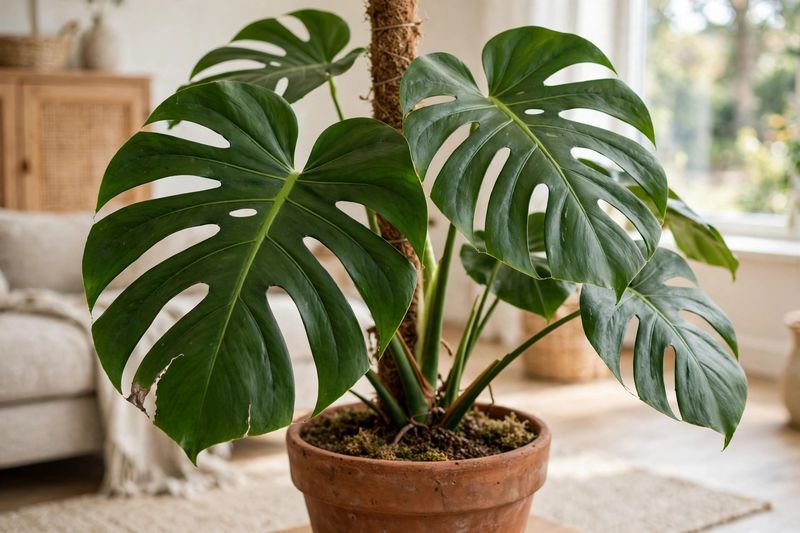
Seasonal Care for Rare Houseplants All Year
Rare houseplants do not need a different routine every week, but they do respond to the longer days of summer and the shorter, drier days of winter. The…
How to Repot a Rare Houseplant Safely
Repotting is one of the few times a houseplant is handled root and all, so it is worth doing slowly. A careful repot gives the roots fresh mix…
Potting Mix and Drainage for Rare Houseplants
Most rare houseplants fail in the pot before they fail in the light. A mix that stays wet for days keeps roots without air, and roots without air…