How to Repot a Rare Houseplant Safely
Repotting is one of the few times a houseplant is handled root and all, so it is worth doing slowly. A careful repot gives the roots fresh mix and room to grow. A rushed repot, in a pot that is much too large or in mix that stays wet, can set a plant back for months.
When repotting is actually needed
Repot when roots are circling the bottom of the pot in a dense mat, when water runs straight through without wetting the mix, or when the mix has broken down and stays wet or dry in patches. A plant that is growing well and watering normally does not need a larger pot just because a season has passed. If you are unsure, slide the plant out of its pot and look: a few roots at the edges are normal, while a solid root mass with little mix left is a sign to repot.
Choose a pot only slightly larger
Choose a new pot only one size larger, usually about 2 to 5 centimetres wider than the old one. A much larger pot holds more mix than the roots can use, so the mix stays wet for longer after each watering. Make sure the new pot has a drainage hole, and prepare fresh, free-draining mix suited to the plant, as described in the potting mix guide.
Work through the repot step by step
Water the plant lightly a day before repotting, so the mix holds together but is not sodden. Tip the pot on its side and ease the plant out, supporting the base of the stems rather than pulling by the leaves. If the root ball is tight, tease the outer roots gently with your fingers to help them grow into the new mix, and trim only roots that are clearly black, soft, or mushy, using clean scissors.
Put a layer of fresh mix in the new pot, set the plant at the same depth it was growing before, and fill around the sides, tapping the pot lightly to settle the mix without compacting it hard. Burying the stem deeper than before can encourage rot at the base, especially for plants with a thick stem or crown.
Aftercare in the first few weeks
Water thoroughly after repotting, let the pot drain fully, and place the plant back in the light it was used to, rather than in stronger direct sun while it settles. Do not feed for a few weeks: fresh mix already contains nutrients, and feeding a plant with disturbed roots can cause more stress. Watch the mix, not the calendar, for the next watering, and expect a short pause in growth while the roots settle. A few lower leaves may yellow during this period; that alone is not a reason to repot again or to move the plant repeatedly.
← Back to Blog · Shop plants · Plant Finder
Related plants
Related plants — availability is unlimited on enquiry.

Keep reading
Seasonal Care for Rare Houseplants All Year
Rare houseplants do not need a different routine every week, but they do respond to the longer days of summer and the shorter, drier days of winter. The…
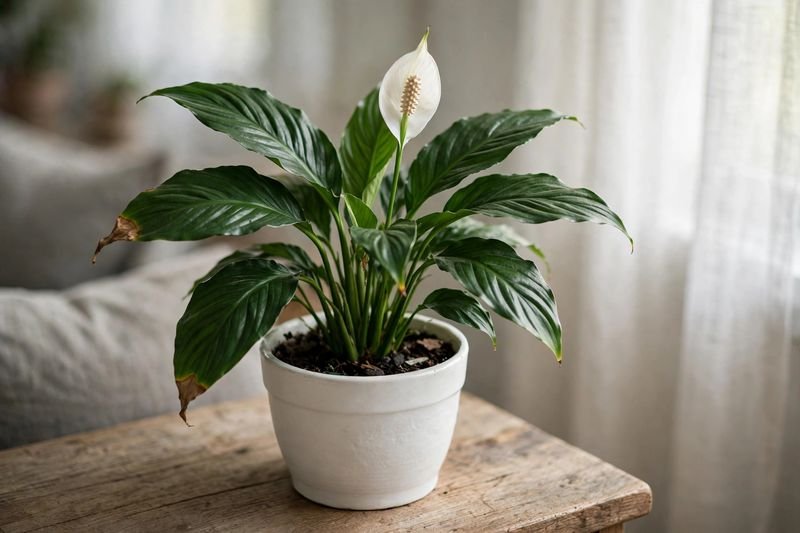
Potting Mix and Drainage for Rare Houseplants
Most rare houseplants fail in the pot before they fail in the light. A mix that stays wet for days keeps roots without air, and roots without air…
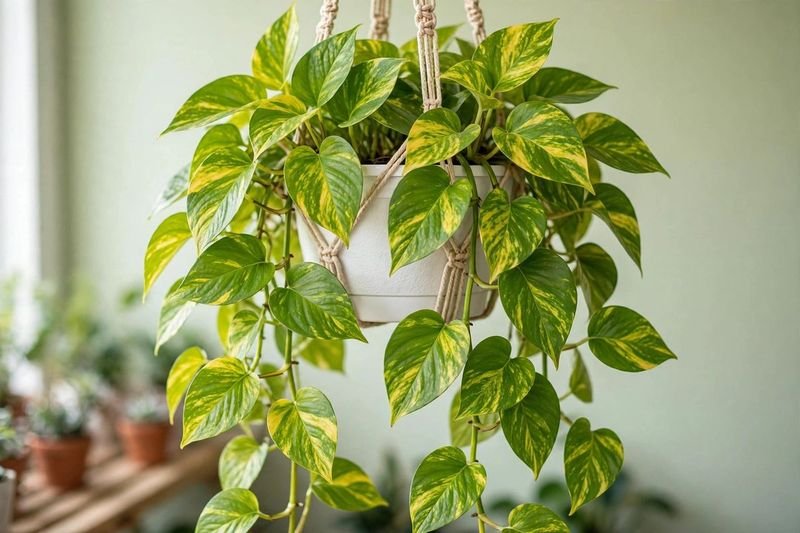
Light Needs for Tropical Indoor Plants
Most tropical houseplants do best in light that is strong but not straight onto the leaves all day. In a nursery that usually means shade cloth overhead, or…