
Light Needs for Tropical Indoor Plants
Most tropical houseplants do best in light that is strong but not straight onto the leaves all day. In a nursery that usually means shade cloth overhead, or a bench set back from the glass. At home, the same idea works: put the plant where the room is bright, but the sun is not hitting the leaves hard for hours.
Use the Hand-Shadow Check
Hold your hand about 30 centimetres above a leaf at midday and look at the shadow it makes. A sharp, dark outline means direct sun. A soft, fuzzy outline with no hard edge is the kind of bright, indirect light most tropical plants handle well. If you can barely see a shadow, the spot is low light, even if the room looks bright to you.
Check the same spot in the morning and again in the afternoon, because a window that is gentle at 9 am can be harsh at 3 pm. A sheer curtain, or moving the pot one metre back from the glass, often takes the edge off that afternoon sun without putting the plant in the dark.
What Too Much or Too Little Light Looks Like
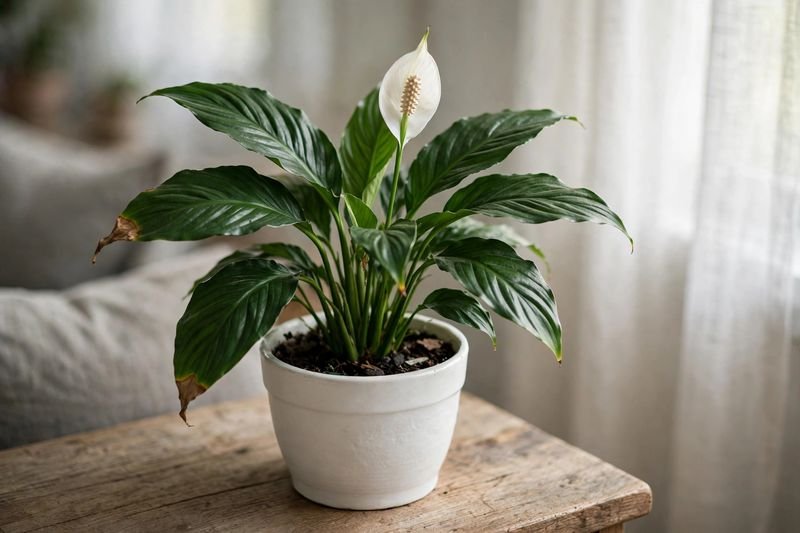
Too much direct sun usually shows first on the leaves facing the window: pale, washed-out patches, or dry brown edges that do not recover when you water. Too little light is slower to show. New leaves come in smaller than the old ones, stems stretch with long gaps between leaves, and variegated leaves may come through mostly green.
Do not judge a move by one leaf. Old damage will not heal, so watch the next two or three new leaves. If they open full size and hold their colour, the new spot is about right.
Move It in Steps, Then Leave It Alone
When a plant needs more light, move it closer to the window in stages: about 30 centimetres closer every three or four days, rather than straight from a back corner to the sill. When it needs less light, pull it back the same way, or add a sheer curtain for the hottest part of the day.
Turn the pot a quarter turn once a week so one side does not lean hard toward the window, and wipe dust off the leaves with a damp cloth every couple of weeks. Dust blocks light, and on a large leaf it makes a real difference. Once the plant is growing steadily in one spot, leave it there. Moving it every few days makes it harder to tell what is actually helping.
← Back to Blog · Shop plants · Plant Finder
Related plants
Related plants — availability is unlimited on enquiry.

Keep reading
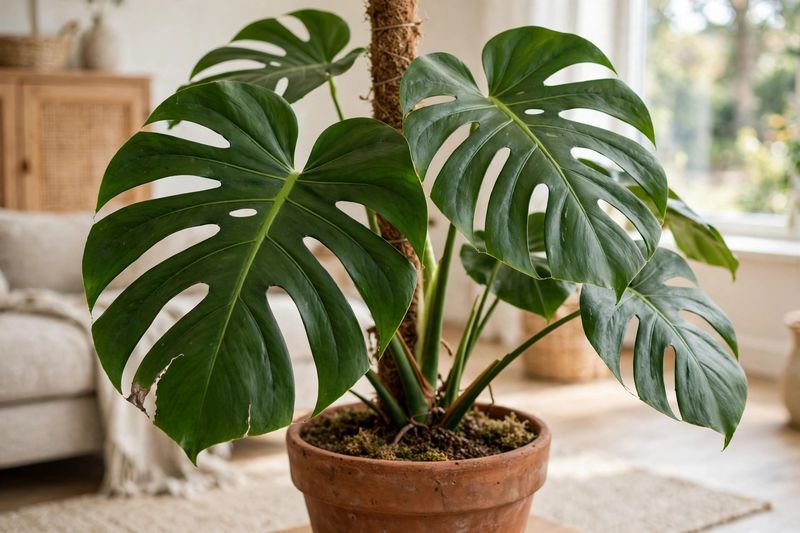
Seasonal Care for Rare Houseplants All Year
Rare houseplants do not need a different routine every week, but they do respond to the longer days of summer and the shorter, drier days of winter. The…
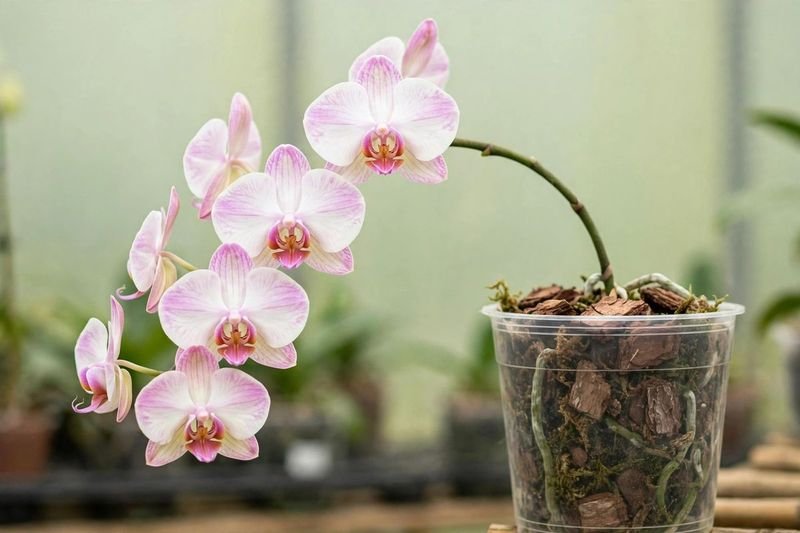
How to Repot a Rare Houseplant Safely
Repotting is one of the few times a houseplant is handled root and all, so it is worth doing slowly. A careful repot gives the roots fresh mix…
Potting Mix and Drainage for Rare Houseplants
Most rare houseplants fail in the pot before they fail in the light. A mix that stays wet for days keeps roots without air, and roots without air…