
Seasonal Care for Rare Houseplants All Year
Rare houseplants do not need a different routine every week, but they do respond to the longer days of summer and the shorter, drier days of winter. The most useful seasonal habit is to check the plant and the mix before changing anything, rather than switching watering, feeding, and light all at once.
Spring: growth returns, slowly
In spring, daylight increases and many plants start growing again. This is a good time to check whether a plant needs repotting, to prune only dead or damaged leaves, and to resume feeding lightly if the plant is actively growing. Increase watering only as the mix starts to dry faster, and move a plant to brighter light gradually, a step at a time, rather than straight into strong sun, which can scorch leaves that spent winter indoors.
Summer: watch water, heat, and sun
In summer, pots dry faster, especially near a bright window or in a warm room. Check the mix more often, and water thoroughly when the mix needs it, letting the pot drain fully. Keep most tropical foliage plants out of harsh midday sun, even if they enjoy bright light, and watch for leaves that fade, curl, or develop dry edges, which often point to too much direct sun or to a mix that has dried out completely. Good air movement helps, but a plant should not sit in a constant draught from a fan or air conditioner.
Autumn: prepare for less light
As days shorten in autumn, growth usually slows. Reduce feeding as growth slows, and start checking the mix less optimistically: a pot that dried in two days in summer may take much longer in autumn. Move plants closer to a bright window if light falls sharply, and clean leaves gently so dust does not block what light is available. Autumn is also a good time to check for pests before plants spend winter close together indoors.
Winter: less water, steady conditions
Winter is when overwatering causes the most trouble. With less light and slower growth, most houseplants need less water, and the mix stays damp longer. Water only when the mix has dried to the depth that suits that plant, keep plants away from cold draughts and from radiators that dry the air sharply, and avoid repotting or major pruning in the coldest weeks unless a plant is in clear distress. A stable spot, with light as bright as the home allows and watering based on the mix, will carry most rare houseplants through winter better than frequent changes.
← Back to Blog · Shop plants · Plant Finder
Related plants
Related plants — availability is unlimited on enquiry.

Keep reading
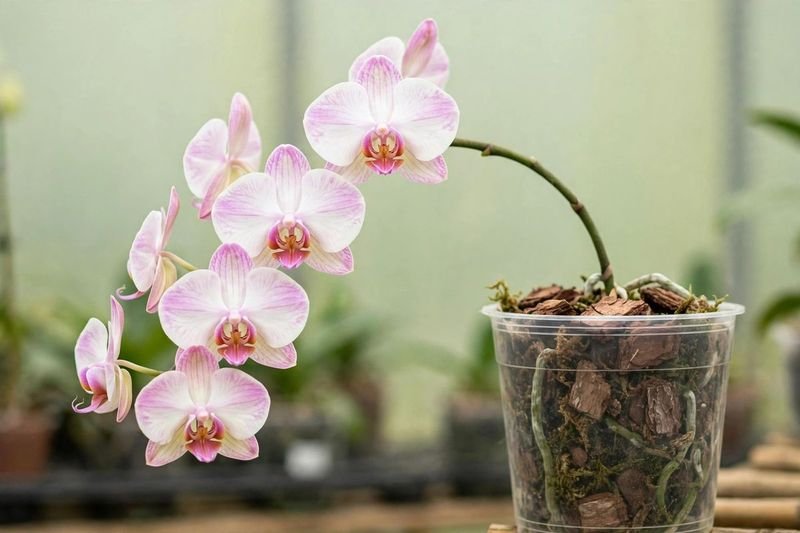
How to Repot a Rare Houseplant Safely
Repotting is one of the few times a houseplant is handled root and all, so it is worth doing slowly. A careful repot gives the roots fresh mix…
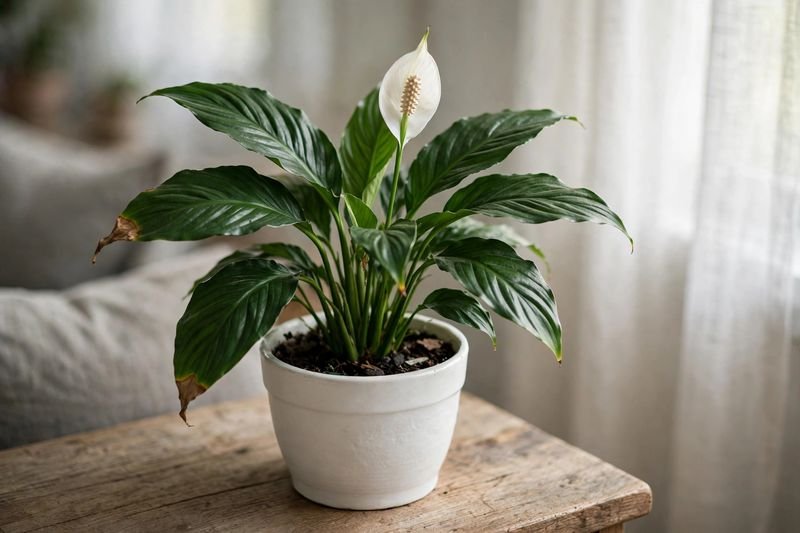
Potting Mix and Drainage for Rare Houseplants
Most rare houseplants fail in the pot before they fail in the light. A mix that stays wet for days keeps roots without air, and roots without air…
Light Needs for Tropical Indoor Plants
Most tropical houseplants do best in light that is strong but not straight onto the leaves all day. In a nursery that usually means shade cloth overhead, or…